detail.colorStudy · 8 detail.of 17
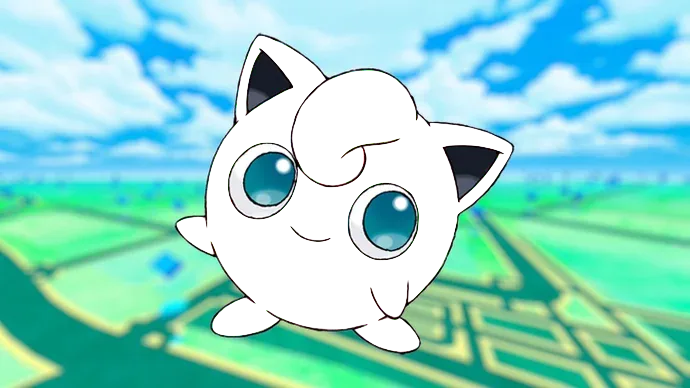
Jigglypuff's Body
From Pokémon · 1997
#f2ccd5warm red-orangeColor anatomy
Shades — darker
detail.tints
detail.loreTitle
Jigglypuff is one of the most recognizable faces in the Pokémon franchise, which began with the original Game Boy titles in 1996 and became a global animation phenomenon. The anime solidified Jigglypuff's palette for generations of fans.
The specific body color — #f2ccd5 — is muted and subtle and bright and airy. It's a warm red-orange that sits precisely at 346° on the color wheel, calibrated to read clearly against both light and dark backgrounds in fast-moving battle scenes.
Fans who grew up watching the show tend to remember the character's overall color family correctly, but the exact saturation and brightness often slip. Most people overshoot the saturation by 10–15%, a quirk of memory that makes Jigglypuff one of the more revealing tests in the game.
detail.tipsTitle
Calibrated to this character's specific hex, not generic color advice.
detail.nearbyTitle
detail.relatedTitle
detail.relatedSub